


Krishna Prasad Sapkota
When the United Nations introduced the Sustainable Development Goals (SDGs) in 2015, it laid out a roadmap for a more equitable, prosperous, and sustainable future. As a developing nation with immense natural resources and cultural diversity, Nepal has embraced these goals and integrated them into national planning, policies, and local action.
Nepal’s Contribution and Commitment
Nepal has made significant progress in areas such as rural development, renewable energy, education, sanitation, and gender equality. Initiatives like solar energy expansion, micro-hydro projects, and community-based forest management have brought meaningful changes to the lives of people, especially in remote areas.
Local youth, women’s groups, and civil society organizations have played key roles in promoting sustainable agriculture, plastic waste reduction, and green entrepreneurship. Campaigns like the “Green Village” movement, “Plastic-Free District” initiatives, and smart city concepts in the Kathmandu Valley reflect Nepal’s growing commitment to environmental responsibility and innovation.
Climate Change: A Direct Threat
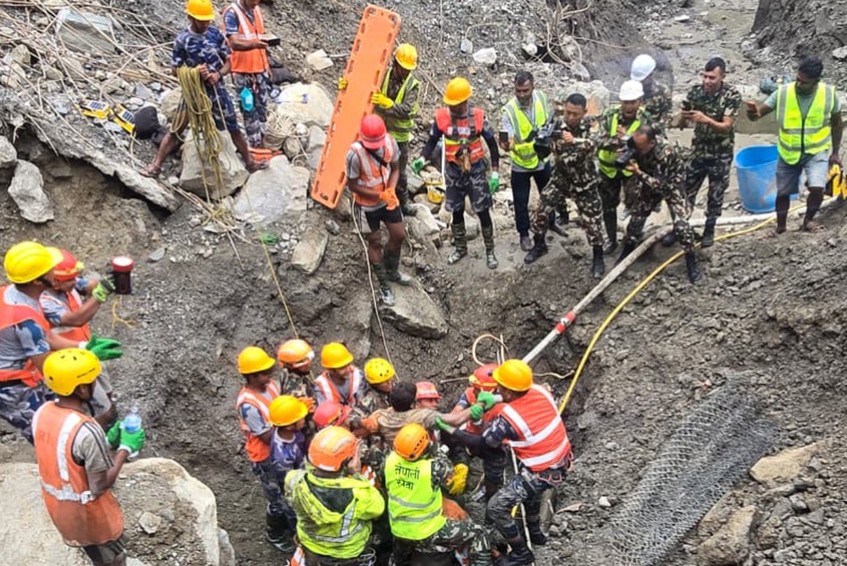
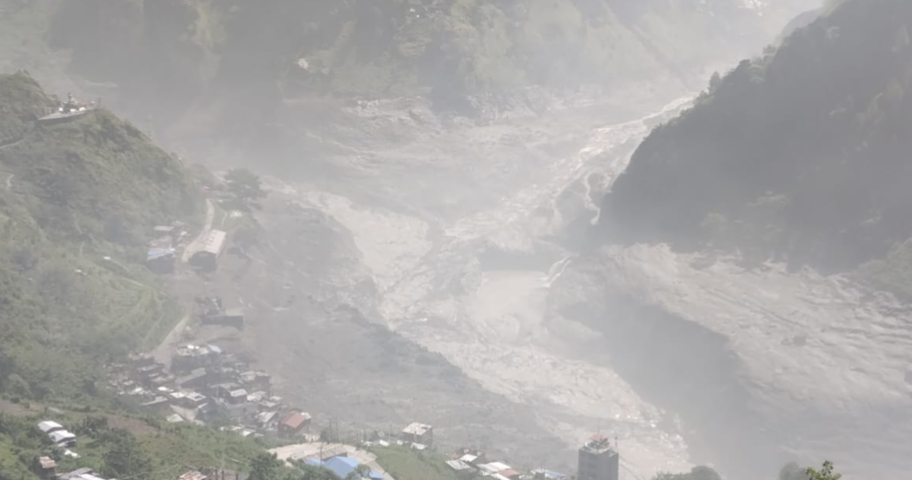
Nepal is witnessing the effects of climate change first-hand. Himalayan glaciers are melting, monsoon patterns are shifting, and climate-induced disasters are increasing. Though Nepal contributes very little to global emissions, it bears a disproportionate share of the impact.
This makes clear the urgent need for stronger global cooperation, especially for countries like Nepal that are highly vulnerable despite having low emissions. Efforts such as community-based disaster preparedness and sustainable land use practices offer replicable models for other countries facing similar challenges.
The Role of Conferences Like HSC 2025
International forums like the Hamburg Sustainability Conference 2025 are crucial for amplifying the voices of developing nations. They provide platforms to share local experiences, highlight pressing challenges, and build partnerships that go beyond borders.
For Nepal, participating in such events means contributing to global dialogue, promoting grassroots solutions, and learning from international innovations in sustainability.
Conclusion
Nepal’s story shows that sustainable development is achievable — not just through technology and funding, but through community engagement, policy alignment, and shared vision. As the world moves forward toward a greener future, it must ensure that the voices of those closest to nature are not just heard, but valued.




 Amazing Nepal Times Address : Bagbazar 28 Kathmandu, Nepal