


krishna Prasad Sapkota
Kathmandu May 5, 2025/ In today’s increasingly globalized world, the need for interfaith dialogue has never been more pressing. Religious and cultural differences, though diverse and enriching, have also led to misunderstanding, conflict, and division throughout history. Recognizing this, the Parliamentary Interfaith Dialogue serves as an essential platform for promoting mutual understanding, respect, and cooperation among different faith traditions, ultimately contributing to global peacebuilding and societal cohesion.
The Role of Parliamentarians in Interfaith Dialogue
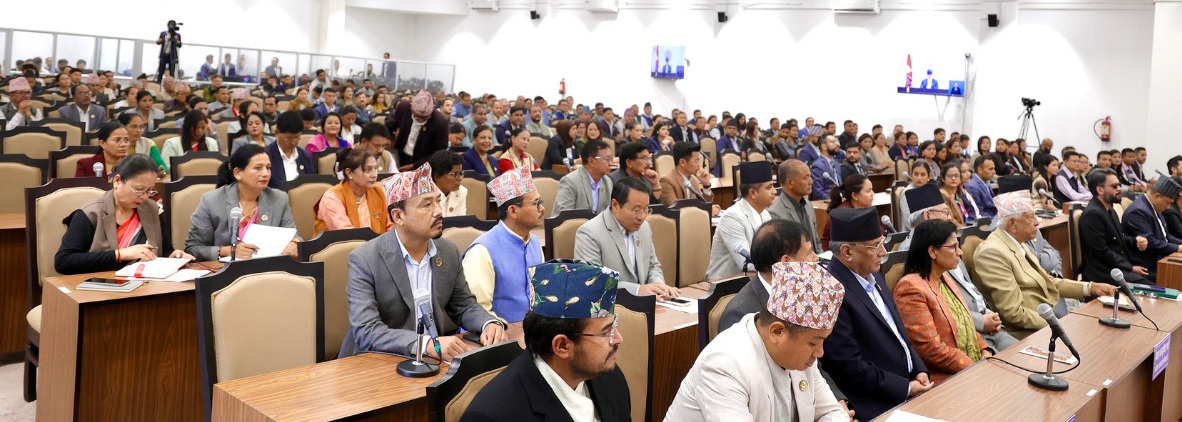
At the core of the Parliamentary Interfaith Dialogue is the participation of elected parliamentarians—representatives chosen by the people to voice the concerns and aspirations of their communities. These lawmakers play a crucial role in shaping policies, laws, and national narratives. Through their involvement in interfaith dialogue, parliamentarians can bridge the gaps between religious communities, foster tolerance, and encourage social harmony.
The dialogue focuses on fostering understanding and cooperation among different faith-based communities, and it offers parliamentarians a platform to discuss how faith influences public policy, governance, and society. Such a dialogue brings together parliamentarians, religious leaders, scholars, civil society representatives, and citizens to engage in meaningful conversations on shared values, challenges, and opportunities for peace.
The Objectives of Parliamentary Interfaith Dialogue
The Parliamentary Interfaith Dialogue seeks to achieve several objectives:
-
Promote Tolerance and Respect: The primary objective of interfaith dialogue is to promote respect for all religions and the people who practice them. By encouraging open, honest, and respectful discussions, parliamentarians can create an environment where religious diversity is celebrated rather than feared or stigmatized.
-
Conflict Prevention and Resolution: Religion is often seen as both a source of conflict and a potential solution. Parliamentarians can work through interfaith dialogues to reduce religious tensions, prevent violence, and resolve conflicts that may have been fueled by religious differences. The dialogue serves as a bridge to foster peaceful coexistence and understanding.
-
Building Peaceful Societies: One of the core goals of the interfaith dialogue is to build peaceful societies where every individual, regardless of their religious beliefs, feels valued and respected. By promoting social cohesion, parliamentarians can help ensure that communities coexist harmoniously and work together for collective prosperity.
-
Fostering Religious Freedom: The dialogue also provides parliamentarians with the opportunity to promote the importance of religious freedom and human rights. Ensuring that individuals can practice their faith without fear of discrimination or persecution is a fundamental right that must be upheld in every society.
-
Sharing Best Practices: Countries around the world face different challenges regarding religious tolerance and interfaith relationships. The dialogue offers a platform for parliamentarians to share best practices, policies, and initiatives that have successfully fostered interfaith harmony in their respective countries.
The Importance of the Second Parliamentary Conference on Interfaith Dialogue
The Second Parliamentary Conference on Interfaith Dialogue, scheduled for June 19–21, 2025, in Rome, Italy, is an important event for legislators, policymakers, and religious leaders to come together and discuss these vital issues. By creating a forum where the experiences and ideas of parliamentarians from around the world can be shared, this conference offers an opportunity to develop concrete strategies for addressing the challenges of interfaith relations.
At this conference, parliamentarians will have the chance to discuss how religious differences are managed at the national and international levels. The dialogues will delve into policies that foster understanding, cooperation, and peace among diverse religious communities, with a focus on practical approaches that can be implemented in different political and social contexts.
Impact on Global Peacebuilding
Interfaith dialogue plays a significant role in global peacebuilding. In many parts of the world, religious conflicts have been among the leading causes of division and violence. However, by engaging in dialogue, parliamentarians can create pathways for reconciliation and peace. These dialogues not only address the immediate issues of religious intolerance but also provide long-term solutions by promoting mutual understanding, empathy, and collaboration.
The Second Parliamentary Conference on Interfaith Dialogue is an essential step in the ongoing efforts to foster peace. It is a reminder that global peace is not only the result of political negotiations or international treaties but also the outcome of sincere, grassroots efforts to understand and respect one another’s differences. In this regard, parliamentarians have a pivotal role to play in building resilient, peaceful societies that are inclusive of all religions and beliefs.
Conclusion
The Parliamentary Interfaith Dialogue is more than just a discussion—it is an action-oriented platform that provides parliamentarians with the tools to shape policy, build inclusive societies, and bridge divides between diverse faith communities. By engaging in these dialogues, lawmakers not only contribute to the well-being of their own societies but also play a crucial role in the global effort for peace, security, and mutual respect.
The Second Parliamentary Conference on Interfaith Dialogue will undoubtedly provide new avenues for collaboration, better policy-making, and deeper understanding of the shared challenges faced by religious communities worldwide. It will be an important step forward in the journey towards a more peaceful, tolerant, and interconnected world.


 Amazing Nepal Times Address : Bagbazar 28 Kathmandu, Nepal