


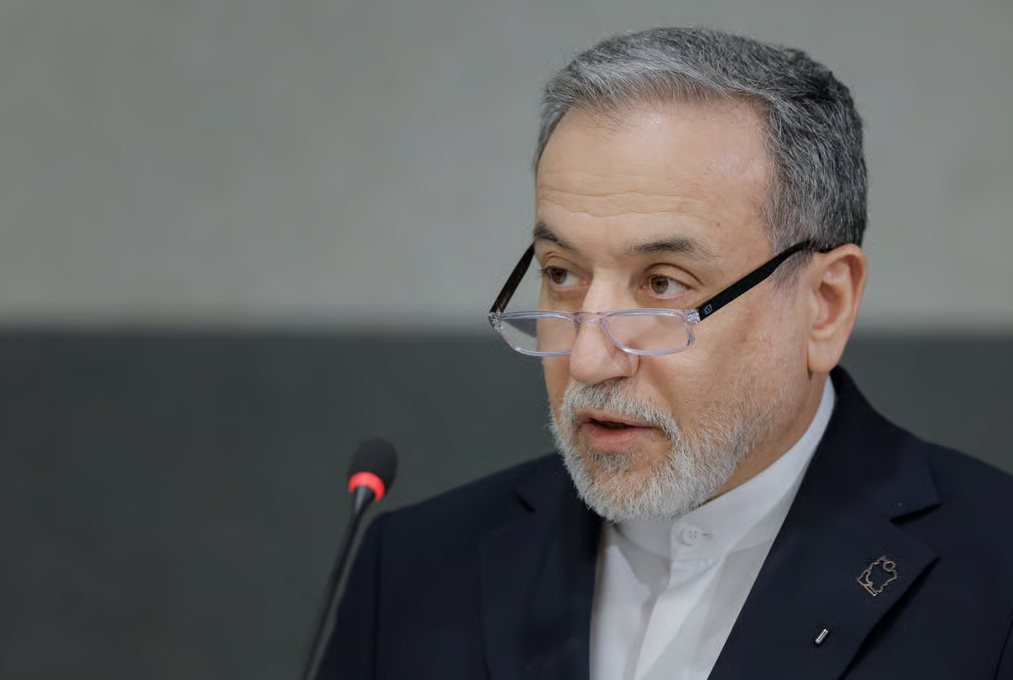
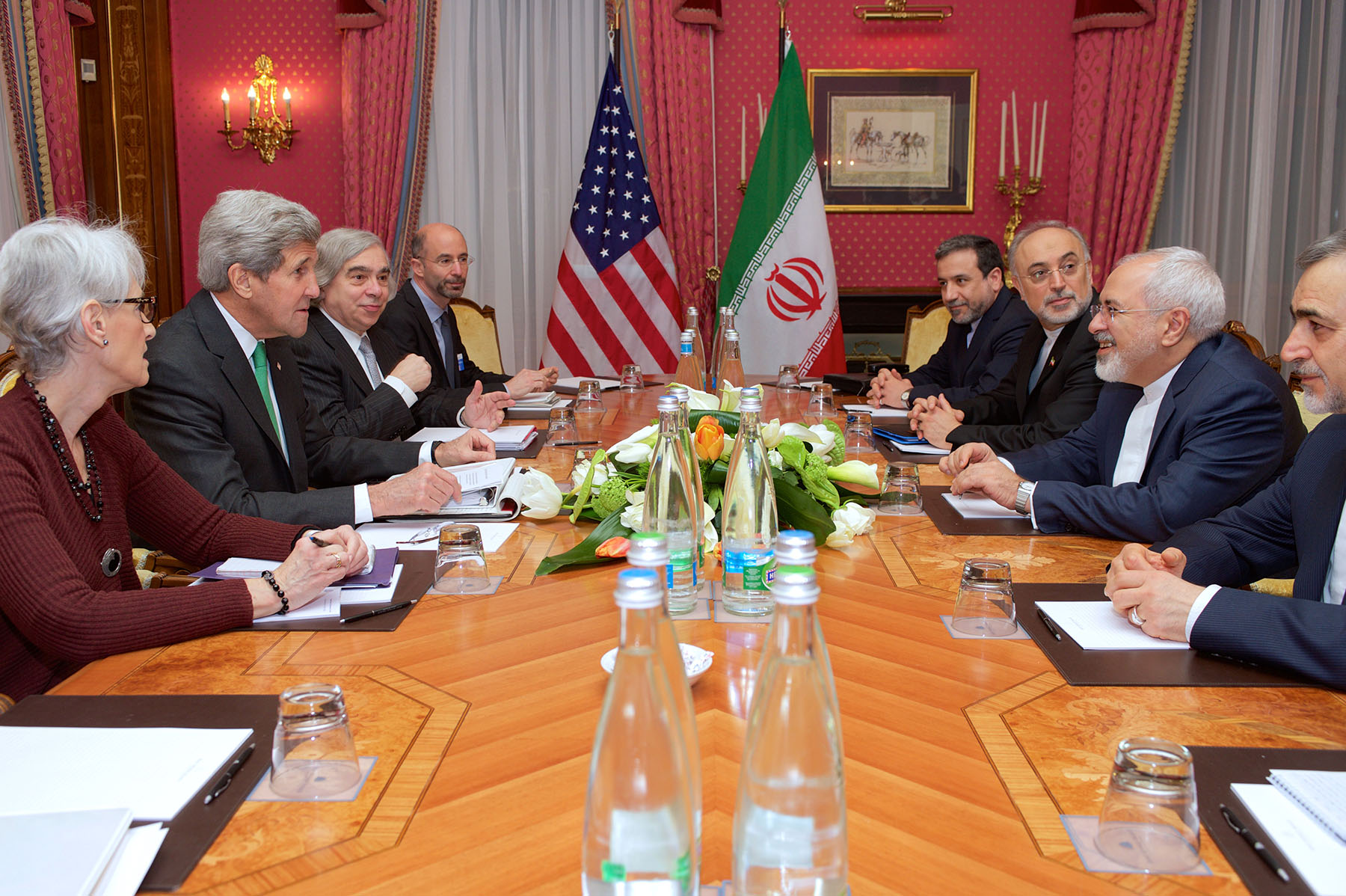
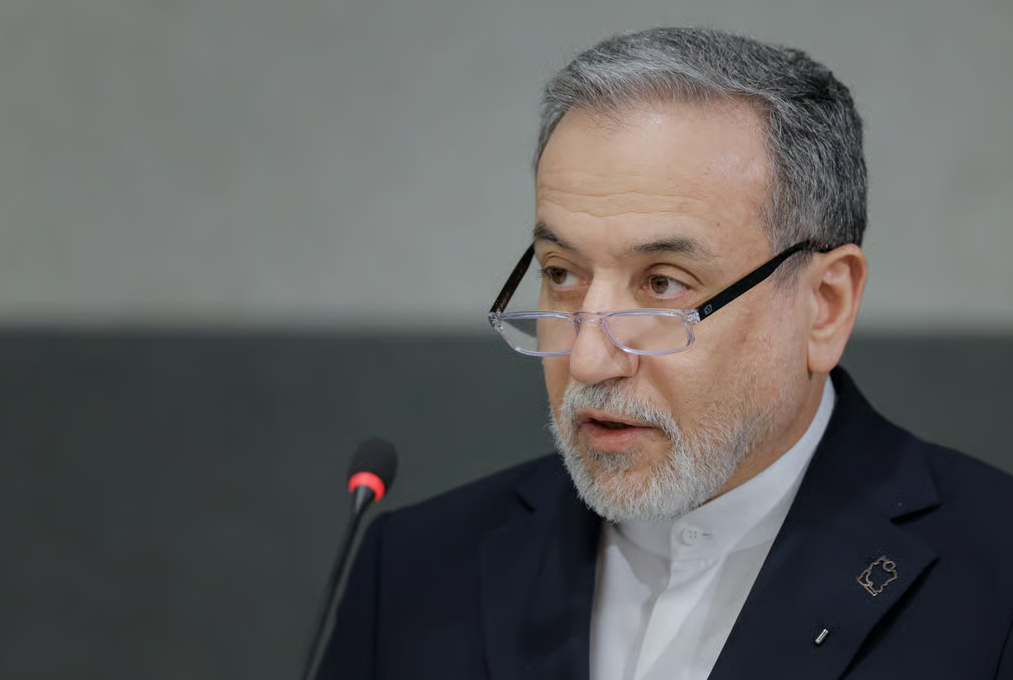
April 26, 2026, Agency — Iran’s Foreign Minister Abbas Araghchi has voiced dissatisfaction over both Iran’s unmet expectations and the United States’ stance, as Islamabad hosted renewed efforts to end a war that has claimed thousands of lives and disrupted global markets.
Although details of the discussions were not widely disclosed, Araghchi held meetings with Pakistan’s Prime Minister Shehbaz Sharif and other senior officials. The White House had earlier announced that President Donald Trump’s special envoy Steve Witkoff and his son-in-law Jared Kushner would travel to Islamabad on Saturday. However, the visit was canceled after Iran rejected a new round of direct negotiations.
The standoff between Washington and Tehran continues to escalate. Iran has effectively shut down the Strait of Hormuz—a vital route carrying nearly one-fifth of the world’s oil supply—while the United States has imposed a ban on Iranian oil exports.
Now entering its ninth week, the conflict has seen President Trump extend a ceasefire that began on June 24. The war has driven energy prices to multi-year highs, fueling inflation and weakening global economic growth prospects.
“Araghchi clarified our country’s principled position regarding recent developments related to the ceasefire and the complete end of the imposed war against Iran,” a statement on the minister’s official Telegram channel said.
When asked about Tehran’s dissatisfaction with U.S. positions during the talks, an Iranian diplomatic source in Islamabad told Reuters that “the Iranian side will not accept maximalist demands.”
Meanwhile, U.S. Defense Secretary Pete Hegseth said there remains an opportunity to reach a favorable agreement with Iran. “Iran knows it still has a chance to make a reasonable choice,” he said, adding that Tehran must abandon its nuclear weapons ambitions in a meaningful and verifiable manner.
Araghchi arrived in Islamabad on Friday. However, a spokesperson for Iran’s Foreign Ministry posted on X that there are no plans for Iranian officials to meet U.S. representatives, and that Tehran’s concerns would instead be conveyed through mediator Pakistan.

 Amazing Nepal Times Address : Bagbazar 28, Kathmandu, Nepal