


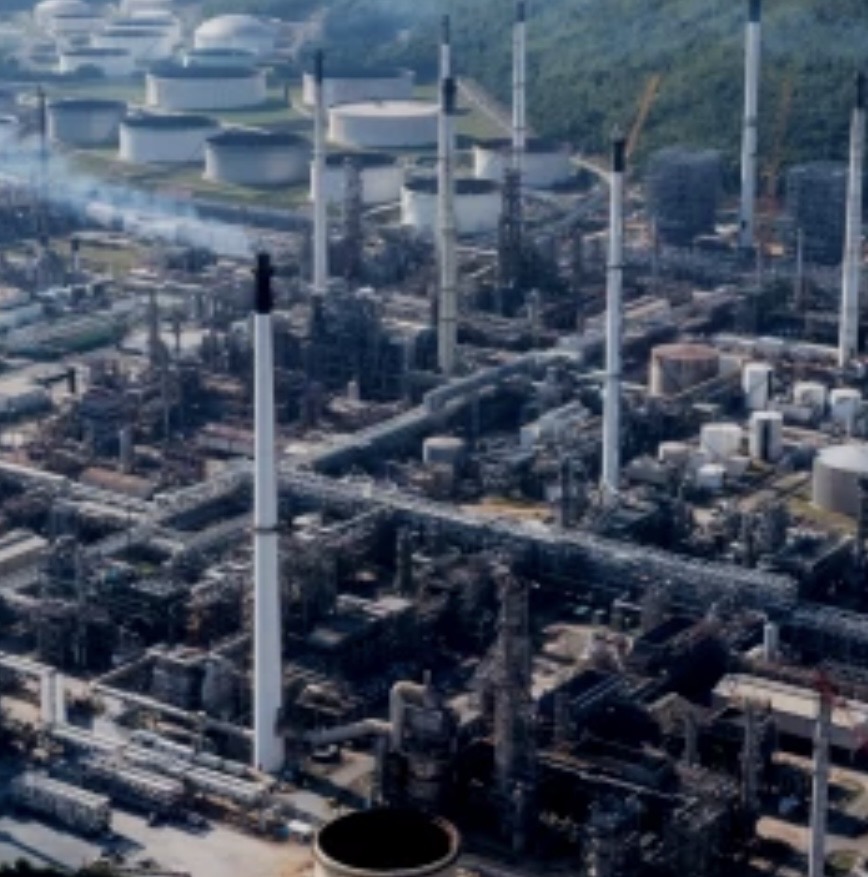
August 07, 2026 / the world moves closer to the critical decades for climate action, attention is increasingly turning toward technologies that can address emissions from industries that cannot easily transition to clean energy. Carbon capture and storage (CCS) is emerging as one of the technologies receiving growing interest from governments, businesses, and climate researchers.
The basic idea behind carbon capture is relatively straightforward: instead of allowing carbon dioxide (CO₂) produced by industrial activities to reach the atmosphere, the gas is separated and managed through storage or other forms of utilization. This approach could be particularly valuable for industries such as cement, steel, refining, and chemicals, where reducing emissions entirely remains technically difficult.
One of the most important developments is the growing shift from individual demonstration projects toward integrated carbon management systems. These systems can connect industrial facilities with pipelines, transportation networks, storage sites, and monitoring infrastructure. Such networks could allow several companies to share facilities and potentially reduce the overall cost of managing captured carbon.
The technology is also attracting interest beyond traditional fossil-fuel industries. Cement production, for example, generates emissions not only from the energy required to operate plants but also from the chemical process involved in making cement. This makes carbon capture an important potential tool for reducing emissions that cannot be eliminated simply by switching to renewable electricity.
However, expanding carbon capture on a global scale will require more than technological improvements. Governments will need to establish clear rules governing the transportation, storage, monitoring, and long-term responsibility for captured CO₂. Investors will also need confidence that projects can operate under stable regulatory and economic conditions for decades.
Another key issue is the cost of developing the necessary infrastructure. Capturing carbon at an industrial facility is only one part of the process. The captured gas must then be compressed, transported, stored, and monitored. Building these systems requires significant investment, particularly in countries where large-scale carbon management infrastructure is still at an early stage.
Environmental integrity will also remain central to public acceptance. Underground storage projects must be carefully selected and monitored to reduce the risk of leakage and to ensure that captured carbon remains securely contained. Transparent reporting and independent oversight can play an important role in building public confidence.
Carbon capture should therefore be viewed as one element of a wider climate strategy rather than a substitute for renewable energy or energy efficiency. Solar, wind, hydropower, electrification, energy efficiency, and other low-carbon solutions will remain essential to reducing emissions across the economy.
The coming years are likely to determine whether carbon capture can move beyond a limited number of projects and become a commercially viable part of global climate infrastructure. If technological progress is matched by effective regulation, investment, and responsible environmental management, carbon capture could provide industries with another pathway to significantly reduce emissions while the global economy moves toward net-zero.






 Amazing Nepal Times Address : Bagbazar 28 Kathmandu, Nepal