


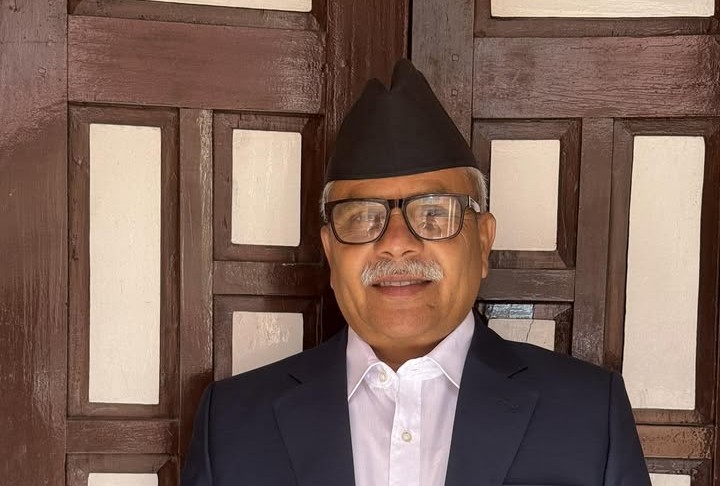
Hari Prasad Bhattarai ( Photojournalist)
15 December , 2021, Kathmandu. Violence is a pervasive issue affecting communities worldwide. From domestic abuse to gang violence and school bullying, the consequences of violence can be devastating, leading to physical harm, emotional trauma, and even loss of life. In response, many communities and organizations are implementing comprehensive violence prevention strategies to reduce the risk and promote safety.

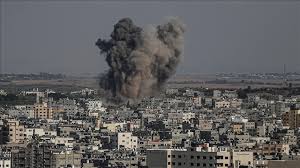
A fireball and smoke billow up into the air during an Israeli airstrike on Gaza City targeting the Ansar compound, linked to the Hamas movement, in the Gaza Strip early on May 15, 2021. (Photo by MOHAMMED ABED / AFP)
Body:
1. The Scope of the Problem: Provide statistical data or recent studies on violence within a particular community, country, or globally. Highlight specific issues such as domestic violence, gun violence, or youth-related violence. For example:
- According to source, there has been a 15% increase in violent crime rates in world.
- Domestic violence cases spiked during the pandemic, with shelters reporting an increase in demand for their services.
2. Efforts to Address Violence: Describe some of the initiatives or policies being implemented to prevent violence. This could include government policies, community programs, or international efforts aimed at reducing violence. Examples include:
- Community workshops focused on conflict resolution and anger management.
- Government investments in mental health resources and crisis intervention hotlines.
- Educational campaigns teaching young people about the dangers of bullying and substance abuse.
3. Success Stories: Highlight successful programs or initiatives that have made a measurable impact in reducing violence. For example:
- In city, a community-led program that provides counseling and job training for at-risk youth has seen a 30% reduction in gang-related violence over the past year.
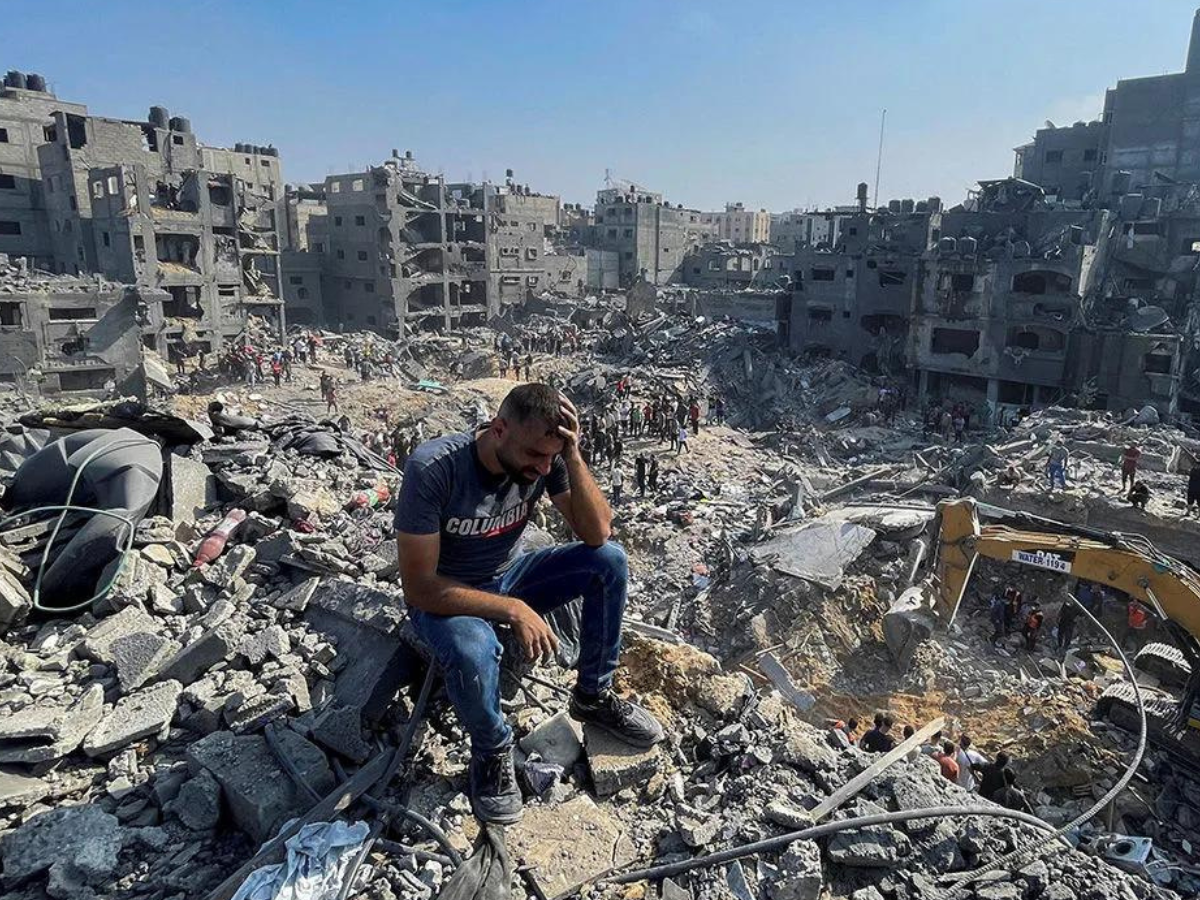
4. Challenges in Violence Prevention: Discuss the ongoing challenges faced by violence prevention efforts. This could include issues such as lack of funding, stigma around mental health, or difficulties in implementing policies. For example:
- Despite efforts to curb gun violence, some communities face resistance due to political and cultural divisions regarding firearm regulation.
- In rural areas, lack of access to mental health services poses a significant challenge for violence prevention.
5. The Way Forward: End the article with a hopeful note, discussing future strategies or upcoming programs aimed at addressing the issue. This could involve technology, increased collaboration between stakeholders, or international efforts. For example:
- New technologies, such as apps that allow anonymous reporting of violent incidents, are providing a way for victims to seek help without fear.
- Upcoming international conferences, such as the Ministerial Conference on Ending Violence Against Children, aim to bring together leaders to create global solutions to prevent violence.
Conclusion: Violence prevention is a complex issue that requires collective action from governments, communities, and individuals. While challenges remain, the progress being made offers hope for a future where every individual can live free from the fear of violence.






 Amazing Nepal Times Address : Bagbazar 28 Kathmandu, Nepal