


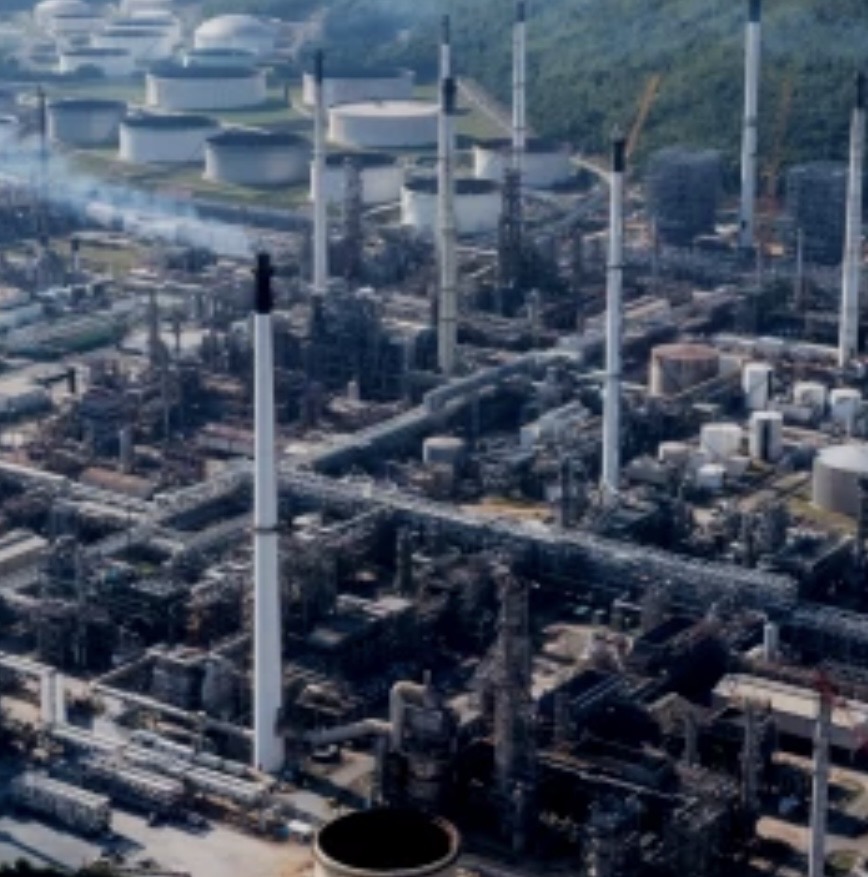
May 12, 2026 / As governments and industries work toward reducing greenhouse gas emissions, carbon capture technologies are moving from research laboratories to large-scale industrial facilities. While renewable energy continues to expand worldwide, many sectors—including cement, steel, and chemicals—still face significant challenges in cutting carbon emissions. Carbon capture offers a practical option for reducing emissions from these hard-to-abate industries.
Carbon capture works by separating carbon dioxide from industrial exhaust gases before they enter the atmosphere. Once captured, the CO₂ can either be stored deep underground in suitable geological formations or used in manufacturing processes such as producing synthetic fuels, construction materials, or industrial chemicals.
Several countries are investing heavily in carbon capture infrastructure as part of their long-term climate strategies. New projects increasingly involve collaboration between governments, energy companies, technology providers, and research institutions. These partnerships are helping improve capture efficiency while lowering operating costs through innovation.
Despite its promise, carbon capture is not without challenges. High capital costs, transportation infrastructure, and long-term storage monitoring remain important considerations. Public confidence also depends on transparent regulation and strong environmental oversight.
Rather than replacing renewable energy, carbon capture complements it. Wind, solar, hydroelectric power, energy efficiency, and carbon capture each address different parts of the emissions challenge. Together, they provide a broader pathway toward achieving net-zero emissions while supporting industrial productivity.
As investment continues and technology advances, carbon capture is likely to become an increasingly important component of global climate action, particularly in sectors where emissions are difficult to eliminate through electrification alone.






 Amazing Nepal Times Address : Bagbazar 28 Kathmandu, Nepal