


Krishna Prasad Sapkota
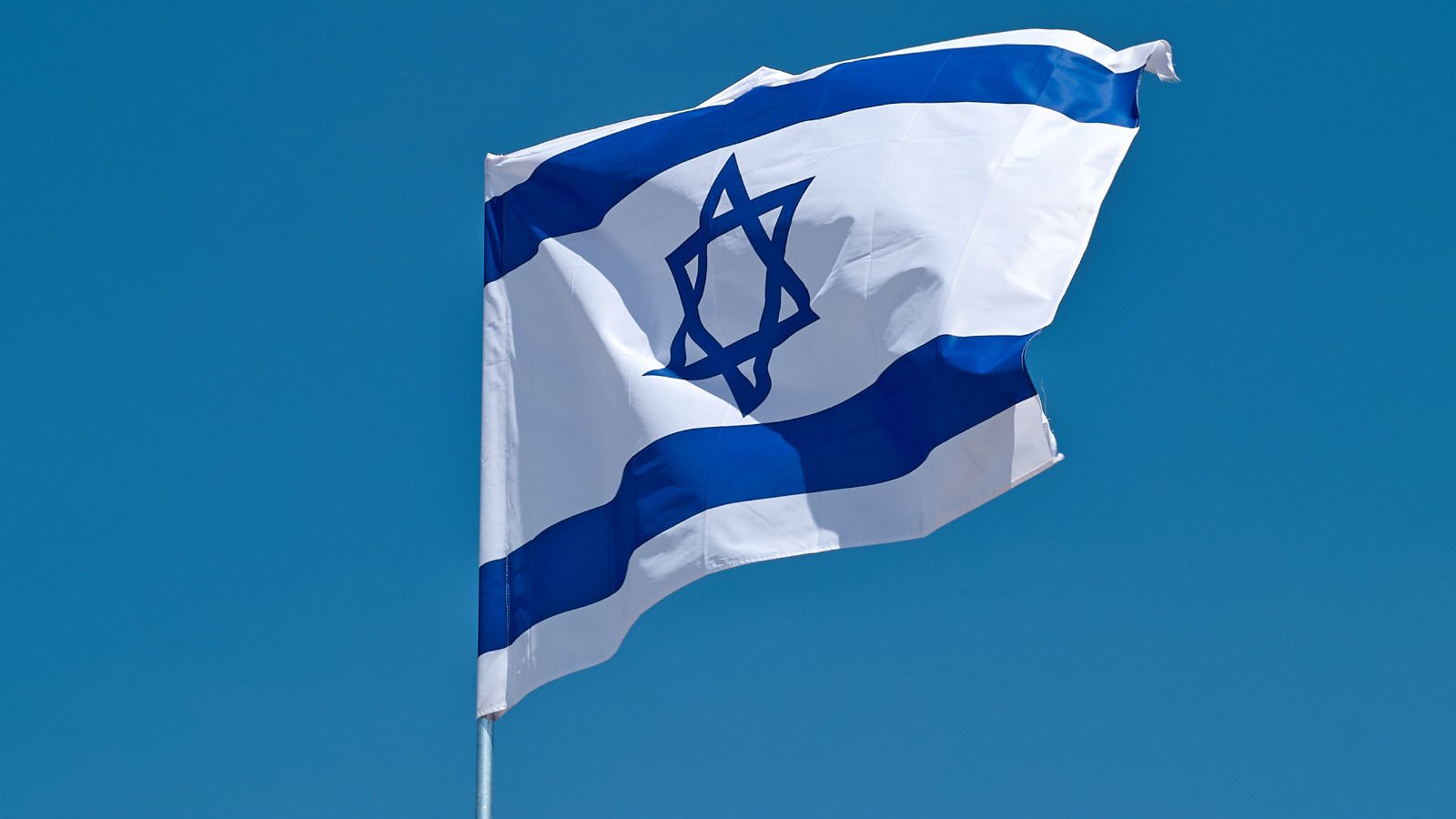
Jerusalem 28 October. 2026: A coalition of Arab-led political parties in Israel is holding discussions with anti-Netanyahu factions over the possibility of forming an alternative government following the country’s parliamentary election, senior Arab lawmaker Ahmad Tibi said on Wednesday.
The Joint List, an alliance involving Arab-representative parties Ta’al and Hadash, could support opposition efforts to remove Prime Minister Benjamin Netanyahu from power, according to Tibi. However, he indicated that the alliance was unlikely to become a formal member of a new governing coalition.
Speaking in an interview with Israeli public broadcaster Kan Reshet Bet, Tibi, who also leads the Ta’al party, said the Joint List could back the opposition bloc seeking to replace Netanyahu.
“We have prevented Netanyahu from forming a government. Our voters want us to go further and influence the shape of the political system after the election,” Tibi said.
He explained that the alliance would consider parliamentary cooperation if concrete progress could be secured on issues affecting Israel’s Arab minority. These include tackling crime in Arab communities, halting home demolitions, improving infrastructure and addressing hate-related activities.
“We are unlikely to become an integral part of this government,” Tibi said, while leaving open the possibility of other forms of cooperation.
Meanwhile, Yair Golan, leader of the Democrats party and a member of the opposition camp, has urged his political allies to reconsider their refusal to cooperate with Arab parties.
In a post on social media platform X, Golan argued that the division between Jewish and Arab voters fostered under Netanyahu should not be accepted as inevitable.
Joint List chairman Yousef Jabareen has also indicated that his alliance is prepared to help opposition leader Gadi Eisenkot remove Netanyahu from office.
“Anyone who wants to offer a genuine alternative to Netanyahu’s blood-soaked government must talk to us. We are ready to help open the way to removing him from power,” Jabareen said in a statement.
According to Israel’s Central Elections Committee, projections based on approximately 77 percent of the votes counted suggested that Netanyahu’s bloc would secure 54 seats in the 120-member Knesset, while Eisenkot’s alliance was projected to win 49 seats.
The Joint List and the Muslim Ra’am party were together projected to obtain 17 seats, with 11 expected to go to the Joint List. The projected distribution suggested that the Arab-led alliance could hold considerable influence over efforts to assemble a governing majority.
Even without formally joining a coalition, the Joint List could affect the balance of power by providing parliamentary support to an alternative government.
However, both Netanyahu and Eisenkot had previously ruled out forming a government in partnership with Arab parties, a position that could complicate post-election negotiations and efforts to secure a parliamentary majority.



 Amazing Nepal Times Address : Bagbazar 28 Kathmandu, Nepal